
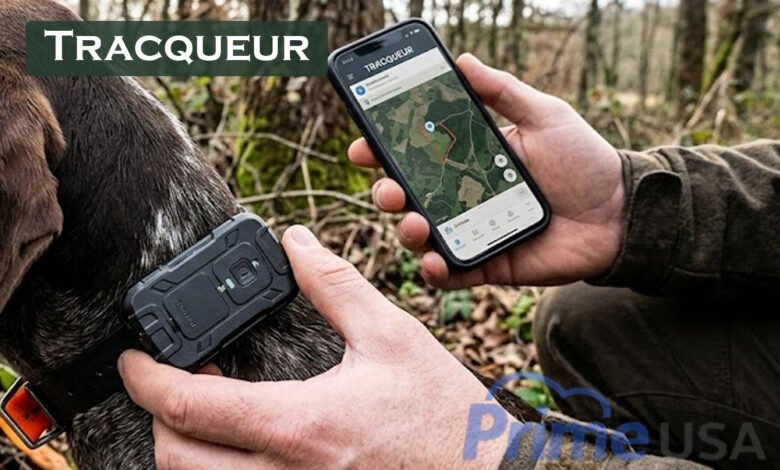
Have you ever heard the word Tracqueur and wondered what it means? You are not alone. This word comes up in conversations about parkour, urban sports, and even tracking technology. In this article, we will break it all down in simple words so that anyone can understand it. We will talk about what a tracqueur is, how the term is used, what tools are involved, and how to stay safe. Let us get started.
What Does “Tracqueur” Mean?
The word Tracqueur (also spelled “traqueur” in French) comes from the French language. In its most basic form, it means a person who tracks or traces something. In the world of movement sports, especially parkour, a tracqueur is a person who practices parkour. Parkour is the sport of moving through spaces, like buildings, walls, and streets, using only your body. No bikes, no skateboards, just running, jumping, climbing, and rolling.
Parkour started in France, which is why many of its words are French. The person who does parkour is called a traceur (male) or traceuse (female). The word comes from the French verb “tracer,” which means to trace or to draw a path. So a tracqueur is someone who draws their own path through the world around them.
But the word is also used in other areas. In technology and digital tools, a “tracqueur” or tracker is a system or device that follows and records information. We will talk about both meanings in this article.
The Origin of Parkour and the Tracqueur
Parkour was created in France in the late 1980s and 1990s. A man named David Belle is often called the founder of parkour. He was inspired by his father, Raymond Belle, who was a soldier and firefighter. Raymond used special movement training called “méthode naturelle,” which means natural method. This training focused on moving the human body in the most efficient way possible.
David Belle took these ideas and turned them into parkour. He and his friends practiced in the suburbs of Paris, jumping over walls, running across rooftops, and finding creative ways to move through the city. Their group was called Yamakasi, and they became famous for their incredible movements.
The word “traceur” became popular to describe these athletes. Over time, people started using different spellings, including “tracqueur,” especially in online communities and in places where parkour mixed with digital tracking tools.
Tracqueur in the World of Parkour
In parkour, being a tracqueur means more than just jumping around. It is a way of thinking. A tracqueur looks at the world differently. A wall is not just a wall. It is something to climb. A gap between two buildings is not something to fear. It is something to cross. This way of thinking is called freerunning when it includes more creative and artistic movements.
A tracqueur trains hard. They build strength, flexibility, and balance. They also train their minds to stay calm and focused. Parkour is not about being reckless. It is about being in control.
Key Skills of a Tracqueur
- Precision jumps: Landing exactly where you want to land
- Vaults: Using your hands to jump over objects smoothly
- Wall runs: Running up a wall to reach a higher surface
- Balance: Walking or running on narrow surfaces like rails
- Rolls: Landing safely by rolling to reduce the impact on your body
These skills take months and years to learn. Professional tracqueurs train every day, just like any other serious athlete.
Tracqueur as a Tracking Tool
Now let us talk about the other meaning of tracqueur. In French, “traqueur” also means a tracker or a tracking tool. In the digital world, this word is often used for software or devices that follow and record data.
A tracking tool (tracqueur) can be used for many things. Here are some common examples:
1. GPS Trackers
A GPS tracker is a small device that uses satellite signals to find its location. People use GPS trackers to:
- Track their cars or motorcycles
- Keep an eye on children or elderly family members
- Monitor delivery vehicles
- Find lost pets
GPS trackers send location data to a phone or computer so the user can see where the tracked object or person is in real time.
2. Website Trackers
In the online world, a tracqueur is often a piece of code placed on a website. This code collects data about visitors. It records things like:
- Which pages people visit
- How long they stay on a page
- What country they are from
- What device they use
Website owners use this data to understand their audience and improve their websites. Tools like Google Analytics use this type of tracking.
3. Fitness Trackers
Fitness trackers are devices or apps that monitor your physical activity. They count steps, measure heart rate, track sleep, and more. Popular fitness trackers include brands like Fitbit, Garmin, and Apple Watch.
4. Animal Trackers
Scientists and researchers use tracking devices to study animals in the wild. These trackers are attached to animals like birds, wolves, or sharks. They send data about the animal’s location and movement, helping scientists learn about migration, behavior, and habitat.
How Tracking Tools Work
Most tracking tools work in similar ways. They collect a signal or data point, record it, and then send it somewhere for analysis. Here is a simple breakdown:
- Sensor: The device has a sensor that picks up information. For a GPS tracker, this is a satellite signal. For a fitness tracker, it might be a heart rate sensor.
- Processor: The device processes the raw data and turns it into useful information.
- Transmitter: The data is sent to a phone, computer, or server using Bluetooth, Wi-Fi, or mobile networks.
- Display: The user sees the data on an app or website.
This process happens very quickly, often in real time.
Read More : What Is the Zuyomernon System in Basketball? Simple Guide to This Modern Playing Style
Uses of Tracqueur Technology in Daily Life
Tracking technology is now part of everyday life for many people. Here are some real-life ways people use tracqueur tools:
- Parents use GPS trackers to know where their children are after school
- Fleet managers track company vehicles to plan better routes and save fuel
- Athletes use fitness trackers to improve their training and avoid injury
- Online shoppers track their packages from the warehouse to their door
- Farmers use soil and weather trackers to grow better crops
- Hospitals track medical equipment to make sure nothing is lost
These tools make life easier, safer, and more organized.
Safety Tips for Tracqueurs (Parkour Athletes)
Whether you are a beginner or an experienced tracqueur, safety should always come first. Here are some important tips:
Start Small
Do not try big jumps or difficult moves right away. Start with basic movements close to the ground. Build your skills slowly and increase the difficulty over time.
Train with Others
It is always safer to practice with other people. A training partner can help you if something goes wrong and can give you feedback on your technique.
Wear the Right Shoes
Good parkour shoes have strong grip and good cushioning. Wearing the wrong shoes can lead to slipping or ankle injuries. Look for shoes that are lightweight but supportive.
Warm Up Before Training
Always stretch and warm up before you start practicing. Cold muscles are more likely to get injured. A good warm-up includes light jogging, stretching your legs, arms, and back, and doing some light jumps.
Know Your Limits
Every tracqueur has their own level. Do not try to copy what you see in videos without proper training. What looks easy on screen often took years of practice. Respect your limits and grow step by step.
Choose Safe Locations
Practice in clean, dry, and safe environments. Avoid wet or slippery surfaces. Avoid places where you could get into legal trouble, like private property or dangerous construction sites.
Learn to Fall Safely
One of the most important skills in parkour is knowing how to fall. Learn the parkour roll early. This technique helps you land safely and reduces the impact on your body when you jump from heights.
Safety Tips for Using Tracking Devices
If you use a tracqueur device or app, here are some tips to stay safe and protect your privacy:
Read the Privacy Policy
Before using any tracking app or device, read what data it collects and how it is used. Some companies sell user data to third parties.
Use Strong Passwords
If your tracking device connects to an app, use a strong and unique password. This prevents strangers from accessing your location data.
Only Share Location with Trusted People
If you use a location-sharing app, only share your location with people you trust. Be careful about sharing your real-time location with strangers.
Turn Off Tracking When Not Needed
Many phones and apps track your location even when you are not using them. Go to your settings and turn off location access for apps that do not need it.
Keep Devices Updated
Software updates often include security fixes. Keep your tracking apps and devices updated to protect against hackers.
The Future of Tracqueur Technology
Tracking technology is growing fast. Here are some exciting things happening in this field:
- AI-powered trackers that can predict behavior and give smarter alerts
- Smaller GPS chips that can be hidden in wallets, clothing, or accessories
- Health trackers that can detect early signs of illness by monitoring body data
- Smart city tracking that helps manage traffic, reduce pollution, and improve public safety
- Drone tracking that uses cameras and GPS to follow moving objects automatically
As the technology grows, so do the questions about privacy and ethics. It is important that tracking tools are used in ways that respect people’s rights and freedoms.
Frequently Asked Questions (FAQs)
1. What is a tracqueur? A tracqueur is a person who practices parkour, the sport of moving through urban environments using only the body. The word also refers to a tracking device or tool in French.
2. How do you spell tracqueur? The most common spellings are “traceur” (the standard parkour term), “traceuse” (female form), and “traqueur” (French for tracker). “Tracqueur” is a popular variant used in online communities.
3. Is parkour dangerous? Parkour can be risky if practiced without proper training. However, with good coaching, gradual progress, and safe environments, the risks can be managed effectively.
4. What is the difference between parkour and freerunning? Parkour focuses on moving from point A to point B in the most efficient way. Freerunning is more creative and includes flips, spins, and artistic movements. Both are practiced by tracqueurs.
5. Who invented parkour? Parkour was developed by David Belle in France during the late 1980s and 1990s. He was inspired by his father’s military movement training.
Conclusion
The word Tracqueur carries two exciting meanings. In the world of parkour, it describes a person who moves through the world with creativity, strength, and discipline. In the world of technology, it describes tools and devices that follow and record movement, data, and behavior.
Both meanings share a common idea: the idea of following a path. Whether you are a parkour athlete jumping across rooftops or a parent tracking their child’s school bus, the goal is the same. You want to know where something is and how it is moving.
If you want to become a tracqueur in the parkour sense, start small, train smart, and stay safe. If you want to use tracking technology, learn how it works, protect your privacy, and use it responsibly.
The world of tracqueur is wide and fascinating. Now that you understand it better, you can explore it with confidence.
Also see PrimeUsa For more Amazing Informations.