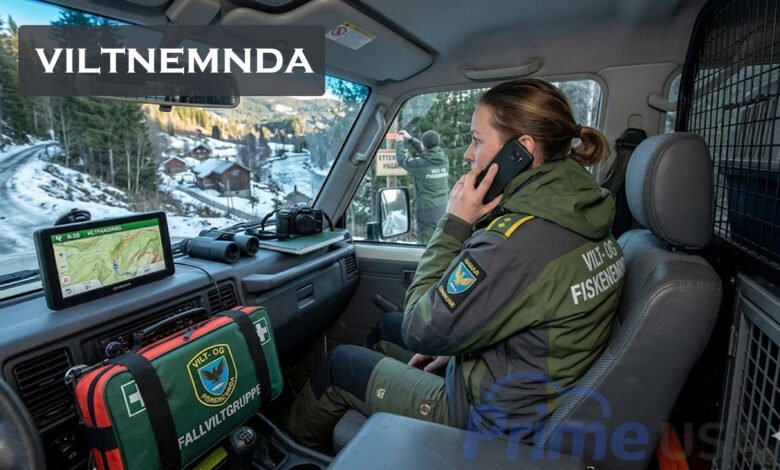
Norway is a country with stunning forests, wide mountains, and rich wildlife. From moose roaming the forests to deer grazing near farms, wild animals are a big part of everyday life there. But managing all that wildlife takes serious effort and planning. That is where Viltnemnda comes in.
If you have never heard this word before, do not worry. Most people outside Norway have not. But once you understand what it means and what it does, you will see just how important it is, not only for Norway but as a smart model for wildlife care anywhere in the world.
What Does “Viltnemnda” Mean?
The word Viltnemnda comes from two Norwegian words: “vilt” meaning wildlife or game, and “nemnda” meaning committee or board. So, simply put, Viltnemnda means Wildlife Committee.
Each municipality, which is a local government area, in Norway has its own Viltnemnda. These committees are in charge of managing wildlife matters at the local level. They work as a bridge between national wildlife laws and what actually happens in forests, farms, and communities across the country.
A Brief History: How Did Viltnemnda Start?
Norway has a long and deep history with hunting and wildlife. For hundreds of years, hunting was not just a hobby. It was a way of life. People hunted for food, to protect their crops, and to keep animal numbers in balance.
As Norway modernized, the government saw the need for a proper system to manage wildlife in a fair and sustainable way. This led to the creation of the Wildlife Act (Viltloven) of 1981, which is the key law that gave municipalities direct power over wildlife management in their local areas.
This was a big shift. Instead of the national government controlling everything from the top, local communities got the authority to make decisions that fit their own land, culture, and needs. This idea of local management is still at the heart of how Viltnemnda works today.
Who Are the Members of Viltnemnda?
You might be wondering, who actually sits on these committees? The members of Viltnemnda are appointed by the local municipal council. They usually come from a mix of backgrounds, including:
- Local hunters with years of field experience
- Farmers who deal with wildlife on their land every day
- Biologists or people with knowledge of nature and ecology
- Environmental experts and conservationists
- Community representatives who speak for local residents
This mix of people is very important. It means that decisions are not just based on one point of view. A hunter, a farmer, and a scientist may see a problem differently, and having all of them at the table leads to better and more balanced solutions.
Members usually serve for a fixed period of time and are expected to act in the interest of the whole community, not just their own group.
What Does Viltnemnda Actually Do?
The work of a Viltnemnda is wide and varied. Here is a look at the main things these committees do:
1. Managing Wildlife Populations
One of the biggest jobs of Viltnemnda is keeping wildlife populations at a healthy and sustainable level. Norway has large numbers of animals like moose (called elg in Norwegian), red deer (hjort), roe deer (rådyr), and other game species.
If the population of any one species grows too large, it can cause serious problems. Too many moose, for example, can damage forests by eating too many young trees. They can also cause dangerous road accidents. On the other hand, if populations drop too low, it can hurt biodiversity and the natural balance of the ecosystem.
Viltnemnda gathers data on animal numbers, monitors population trends, and uses this information to decide how many animals can be hunted each season. These are called hunting quotas, and setting them carefully is one of the most important tasks the committee handles.
2. Regulating Hunting
Hunting is deeply rooted in Norwegian culture. It is not just a sport. For many people, especially in rural areas, it is a way to get food and stay connected to the land. But hunting must be done responsibly.
Viltnemnda sets local hunting rules, issues information about hunting seasons, and works with hunting associations and landowners to make sure everything follows the national Wildlife Act. Hunters in Norway must complete training and pass exams before they can get a license, and Viltnemnda helps make sure these rules are followed at the local level.
3. Handling Human-Wildlife Conflicts
Living close to nature is wonderful, but it also brings challenges. Animals do not respect property lines. A moose might walk through a farmer’s field. Deer might eat garden vegetables. Wolves or lynx might attack farm animals.
These kinds of conflicts happen regularly, and it is Viltnemnda’s job to help solve them. The committee advises farmers and landowners on how to protect their property and animals. They also help decide when and how wildlife damage compensation should be given. At the same time, they make sure that solutions do not hurt the wildlife population unnecessarily.
4. Responding to Road Accidents Involving Animals
Norway has a lot of wild animals, and many roads run through forests and rural areas. This means vehicle collisions with animals, especially large ones like moose and deer, are a real problem.
Viltnemnda is involved in coordinating responses to these accidents. They work to make sure injured animals are treated properly and humanely. They also look at accident data to identify roads or areas where collisions happen most often, and they may recommend measures like wildlife crossing signs, fencing, or adjusted hunting quotas to reduce the problem.
5. Habitat Protection and Conservation
Animals need healthy places to live. Viltnemnda works to protect important wildlife habitats, including forests, wetlands, and mountain areas. When local governments plan new roads, buildings, or other development projects, the committee provides advice on how to reduce negative effects on wildlife.
Some committees have also worked to establish protected areas where breeding grounds or important feeding areas are kept safe from too much human activity. This kind of long-term thinking is what makes Viltnemnda more than just a management body. It is a conservation partner.
6. Environmental Education and Community Outreach
A big part of what Viltnemnda does is simply talking to people. The committee organizes workshops, public meetings, and information sessions to help local residents understand wildlife and why it matters.
They educate hunters about new laws and best practices. They help farmers understand how to live alongside wildlife without constant conflict. They also encourage ordinary citizens to get involved in monitoring local wildlife by reporting sightings or participating in surveys.
This community-based approach is one of Norway’s greatest strengths. When local people feel connected to the natural world and believe they have a say in how it is managed, they are much more likely to support conservation efforts.
How Is Viltnemnda Connected to the Bigger Picture?
Viltnemnda does not work alone. It is part of a larger system of wildlife governance in Norway that connects local, regional, and national levels.
At the national level, the Norwegian Environment Agency (Miljødirektoratet) and the Ministry of Climate and Environment set the overall rules and goals for wildlife management. The County Governor (Statsforvalteren) provides regional oversight and makes sure that local decisions fit with national standards.
Viltnemnda sits at the bottom of this structure, but in many ways it is the most important part because it is where decisions actually touch the ground. It is where policies meet real forests, real animals, and real communities.
The committee also works with scientific research institutes, volunteer conservation groups, and even the police when needed, for example when dealing with poaching or illegal wildlife activity.
Why Is This System So Special?
You might be thinking, many countries have wildlife laws. What makes Norway’s Viltnemnda system stand out?
The answer is local ownership. Instead of having a distant government office make decisions about animals hundreds of kilometers away, Norway trusts its communities to manage their own natural resources. This leads to:
- Better decisions, because local people know their land and animals best
- Faster responses, because the committee is nearby and involved in daily local life
- Greater public support, because people feel heard and included in the process
- More flexible management, because each municipality can adapt national rules to their unique conditions
This decentralized approach is something many environmental experts around the world admire and point to as a model worth following.
Challenges That Viltnemnda Faces
Of course, the work is not always easy. Viltnemnda committees face real difficulties.
Limited resources are a common problem. Smaller municipalities may not have enough money or staff to do all the monitoring, fieldwork, and community engagement that good wildlife management requires.
Competing interests can also make decisions hard. A farmer who loses crops to deer wants stricter control. A conservation group may want to protect the same deer. Finding a middle ground takes time, patience, and skill.
Climate change is a growing challenge. As temperatures shift and seasons change, animal behavior and migration patterns change too. Animals may appear in new places, or their numbers may shift in unexpected ways. Viltnemnda must adapt to these changes and find new strategies.
Predator management is one of the most emotionally charged topics. Large predators like wolves and lynx have come back to some parts of Norway after years of absence. While conservationists celebrate this as a sign of ecological recovery, farmers and some rural communities worry about threats to their livestock. Viltnemnda often finds itself in the middle of this heated debate.
Success Stories Worth Knowing
Despite these challenges, Viltnemnda has made real, positive differences across Norway.
In many regions, careful moose management has brought populations to a stable and healthy level. This has reduced the number of car accidents, improved forest health, and kept hunting seasons productive and fair.
In other areas, Viltnemnda committees have successfully protected key habitats like wetlands and breeding grounds, helping local ecosystems stay diverse and healthy.
Community awareness programs run by local committees have helped build a culture of respect for nature, where hunters, farmers, and everyday residents all see themselves as part of the solution.
The Future of Viltnemnda
Looking ahead, the role of Viltnemnda is likely to grow even more important. New technologies are already starting to help. Wildlife tracking devices, digital mapping tools, and environmental data analysis can give committees more accurate information than ever before.
As climate change continues to affect Norway’s ecosystems, local committees will need to be flexible and creative in how they respond. New species may move into areas where they were not seen before. Old patterns may no longer hold true.
But what will not change is the core idea: that the people who live closest to the land are best placed to care for it. Viltnemnda represents a philosophy that local knowledge, community involvement, and respect for nature are the foundations of good wildlife management.
Frequently Asked Questions About Viltnemnda
1. What does the word “Viltnemnda” mean in English? The word comes from Norwegian. “Vilt” means wildlife or game, and “nemnda” means committee or board. Together, Viltnemnda means “Wildlife Committee” or sometimes “Game Board.”
2. Is there one Viltnemnda for all of Norway? No. Each municipality in Norway has its own Viltnemnda. This means there are many local committees across the country, each responsible for wildlife management in their own area.
3. Who appoints the members of Viltnemnda? Members are appointed by the local municipal council. They are usually people with experience or knowledge in areas like hunting, farming, biology, or environmental management.
4. What law gives Viltnemnda its authority? Viltnemnda gets its legal authority from the Wildlife Act (Viltloven) of 1981. This law gave municipalities the power to manage wildlife within their own borders.
5. Does Viltnemnda only deal with hunting? No. While hunting regulation is a big part of the work, Viltnemnda also handles habitat protection, human-wildlife conflicts, road accident responses, population monitoring, and community education.
Concuslion
Viltnemnda may be a word you have never heard before today, but it represents something very meaningful. It shows how a society can take care of its natural world in a practical, fair, and sustainable way.
By giving local communities real power and responsibility over wildlife, Norway has built a system that works for both people and animals. It is not perfect, and it faces challenges like any other institution. But it is a genuine example of how governance and conservation can go hand in hand.
Whether you are a nature lover, a hunter, a student, or simply someone curious about how other countries solve environmental problems, Viltnemnda is worth knowing about. It is one of Norway’s quiet but powerful tools for keeping its wild places wild.
Also see PrimeUsa For more Amazing Informations.